

Abrasion Resistant Liner Pipeline
GXCG/HDPE Composite Pipe
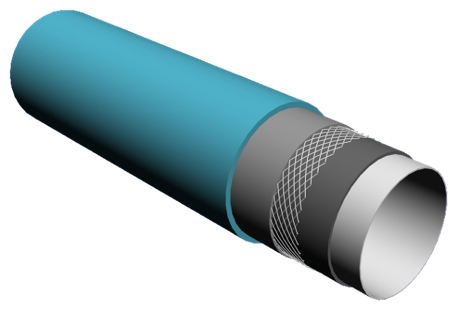
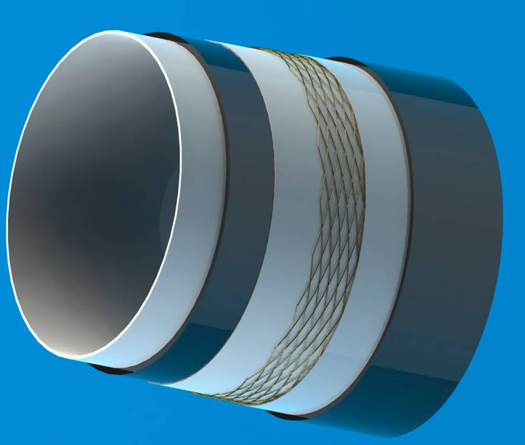
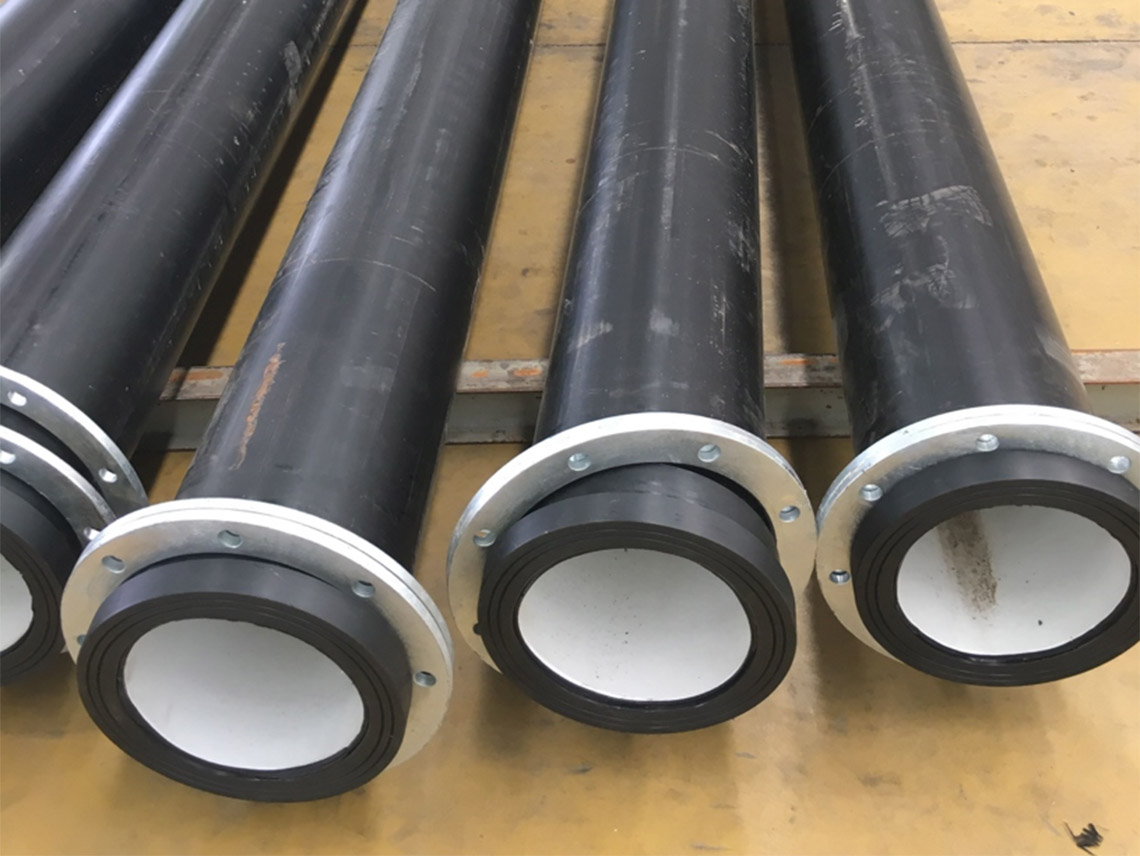
Each layer has a defined function within the pipe wall. Internal wear is handled by the liner, while the surrounding structure contributes strength for transport, installation and service.
Where Internal Wear Matters Most
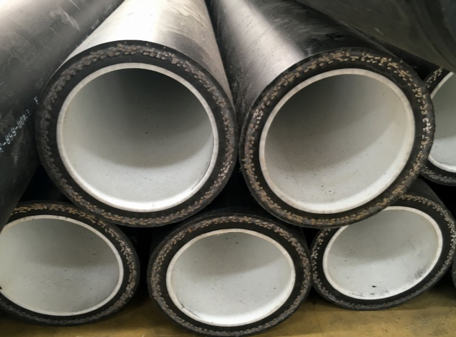
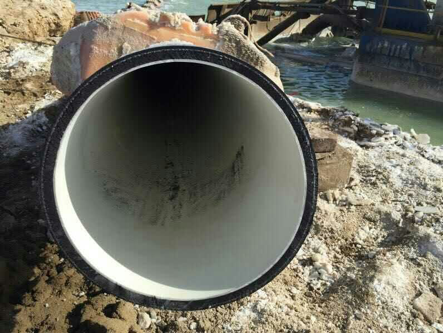
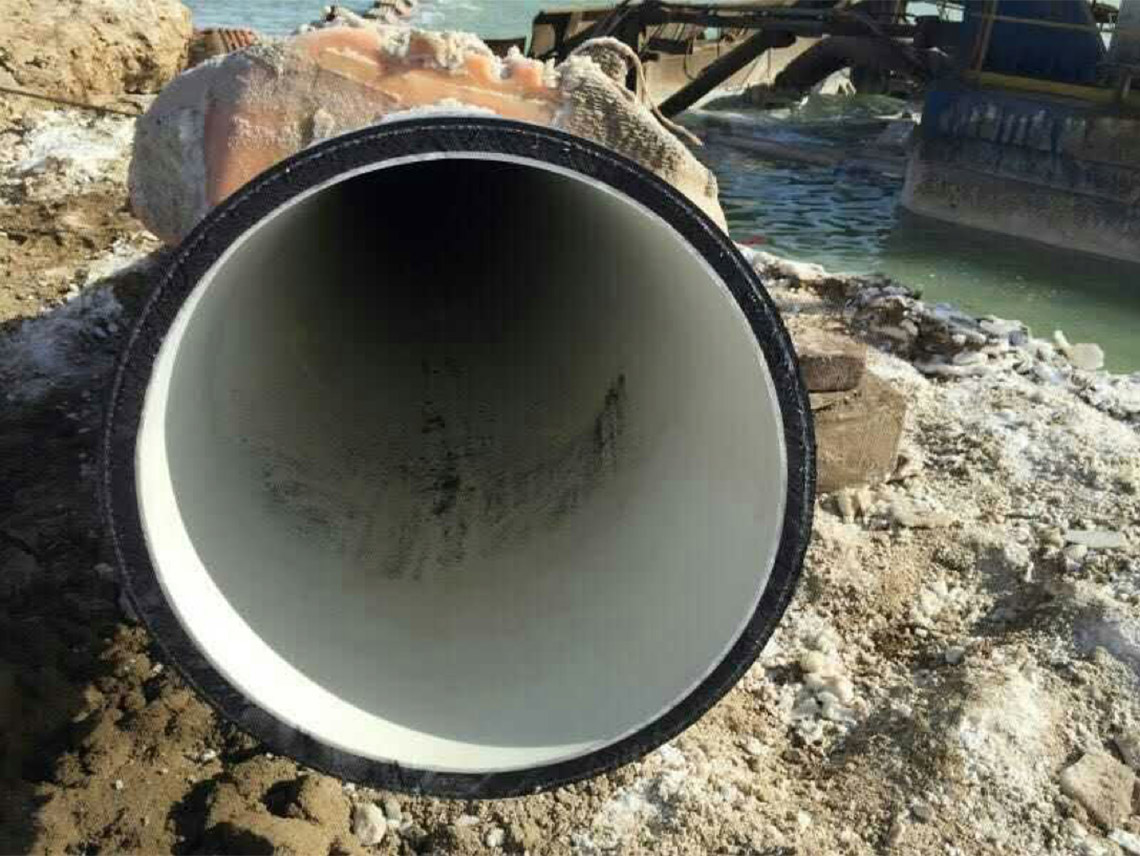
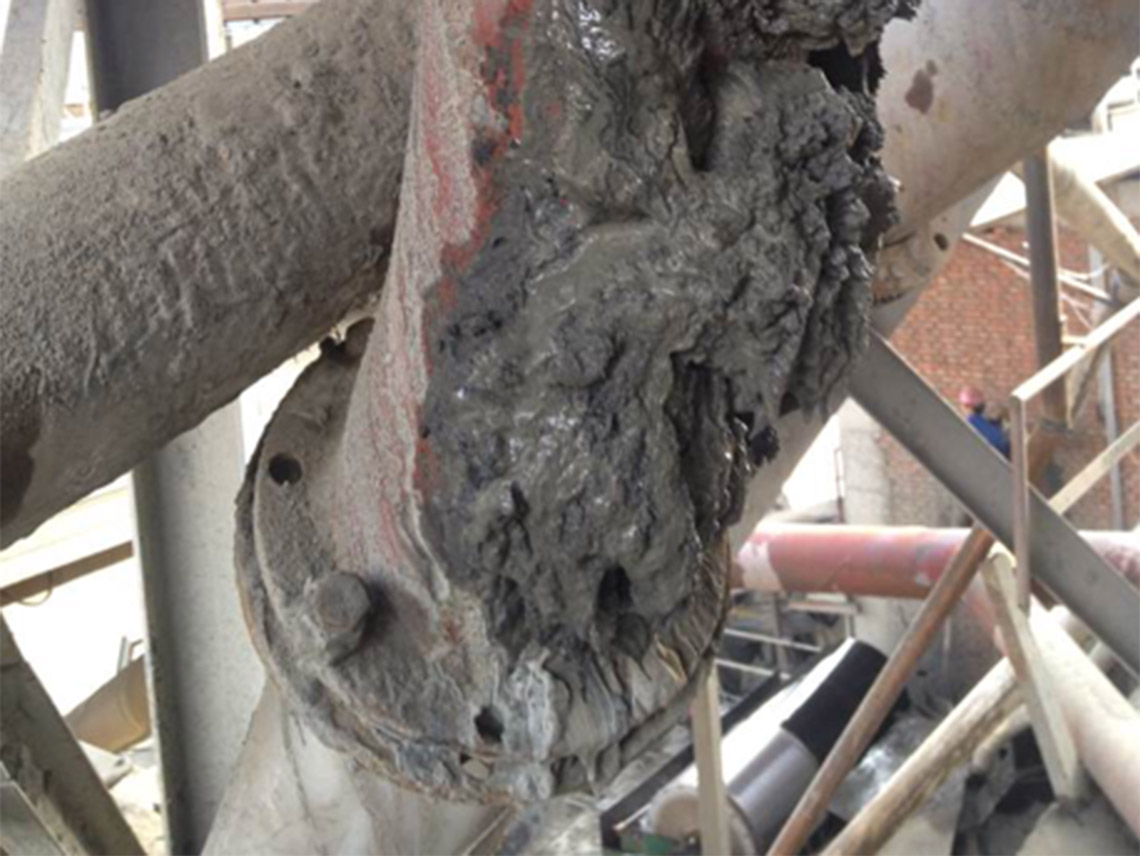
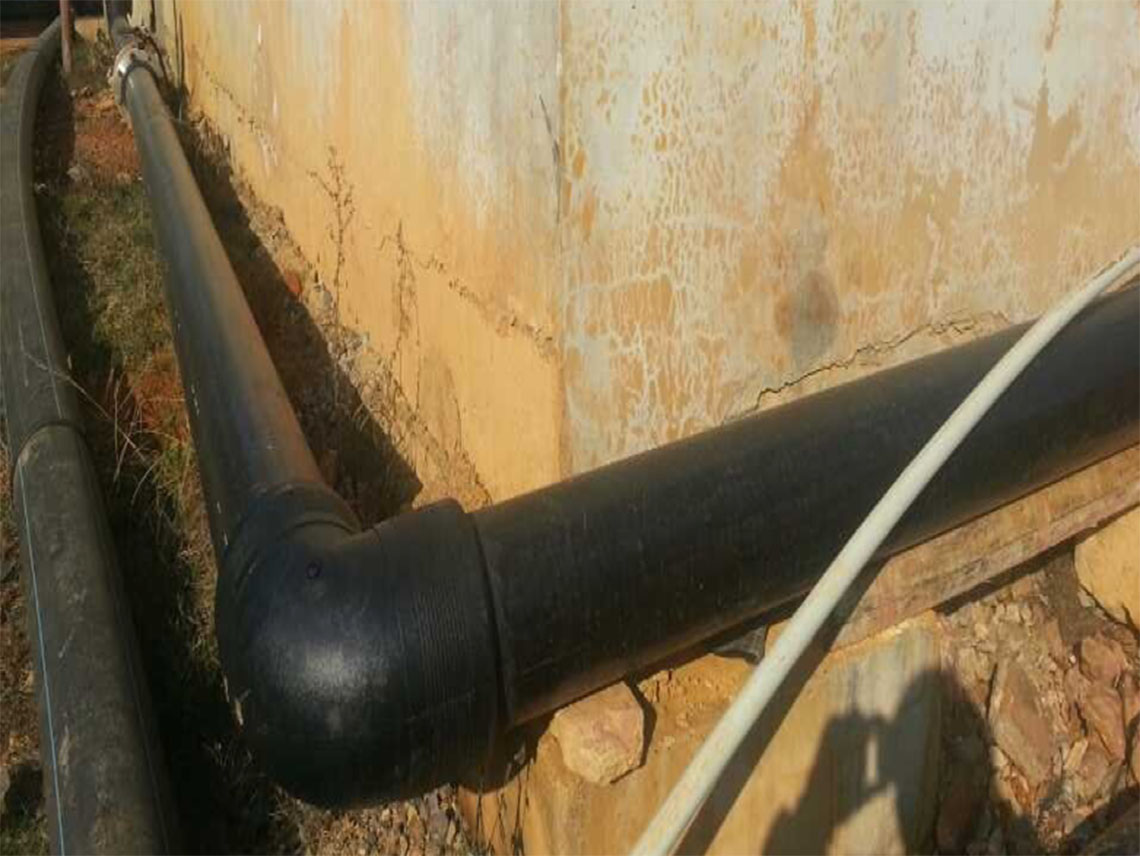
Slurry and mine-refuse pipelines are exposed to repeated contact between solid particles and the internal pipe surface. Wear can increase where particle size, solids concentration or flow conditions place greater stress on the pipe wall.
Using a dedicated liner places wear-resistant material directly at the exposed surface without changing the function of the surrounding reinforced pipe structure.
Typical transported media include:
- Mining slurry
- Mine refuse
- Solid-liquid mixtures
- Abrasive industrial media
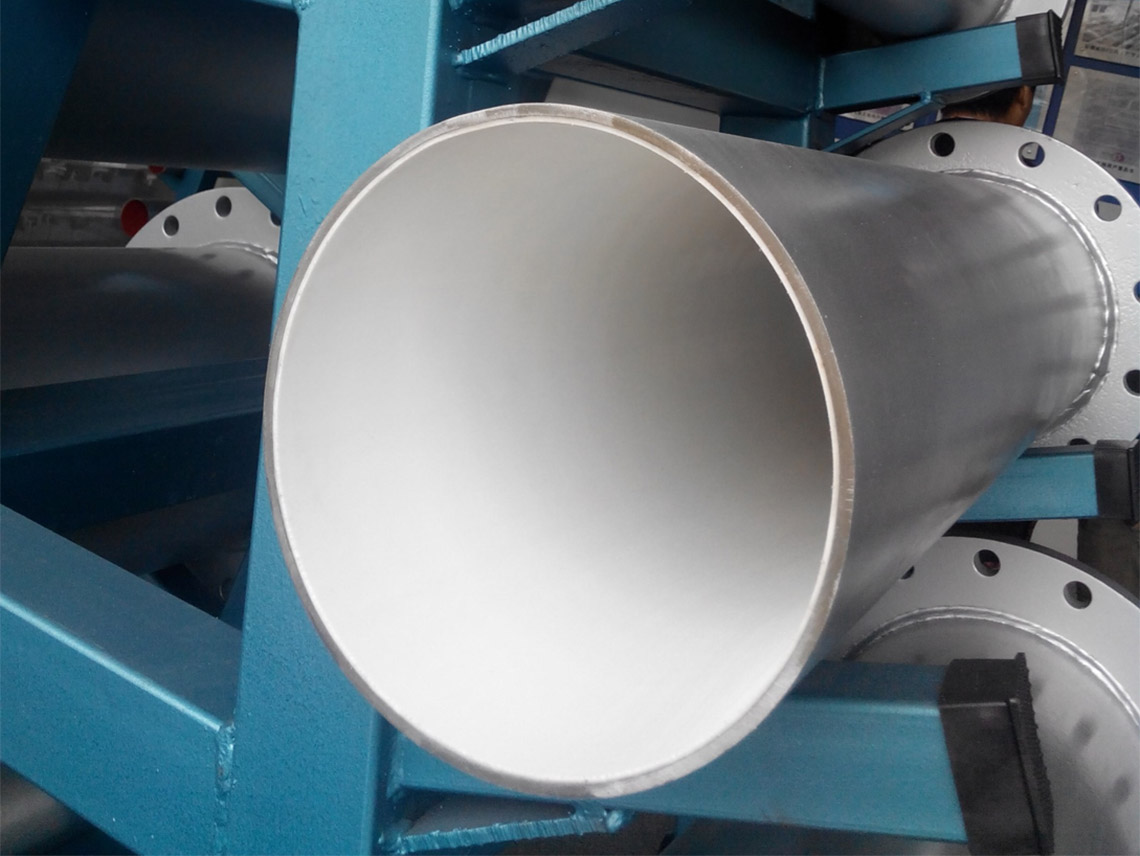
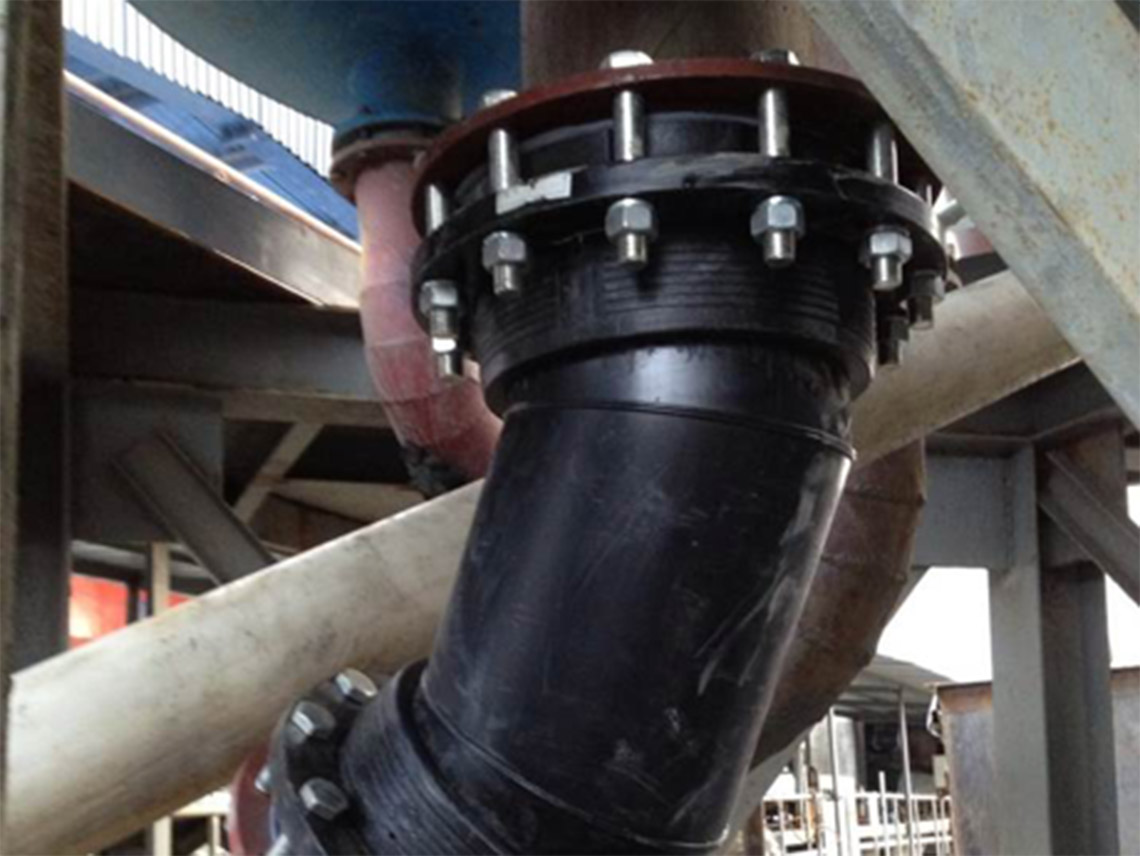
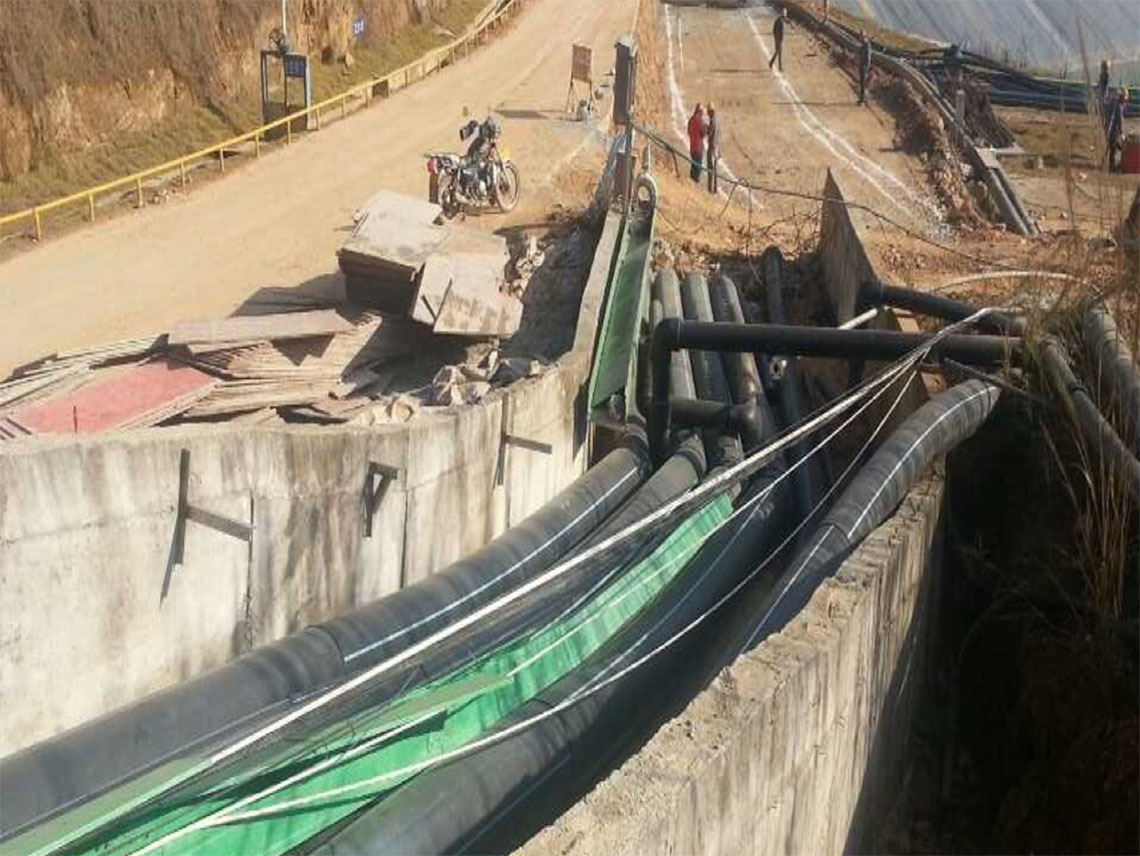
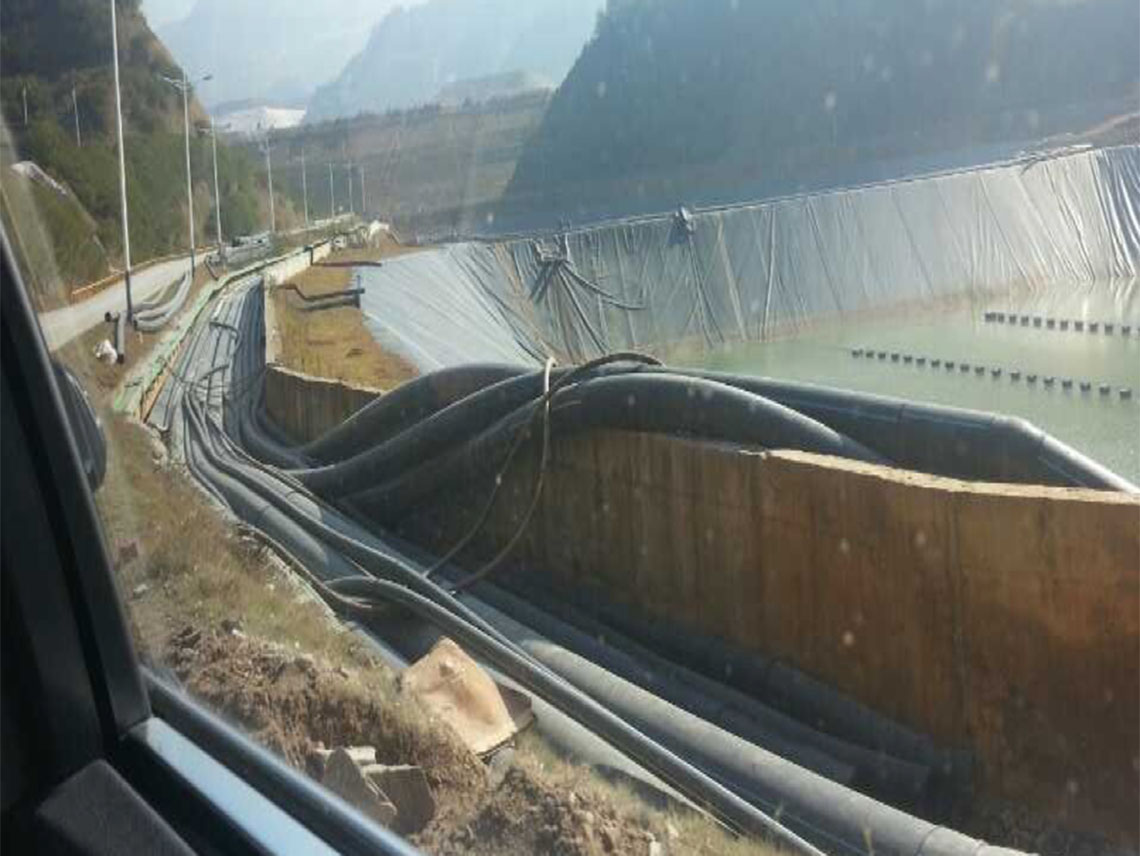
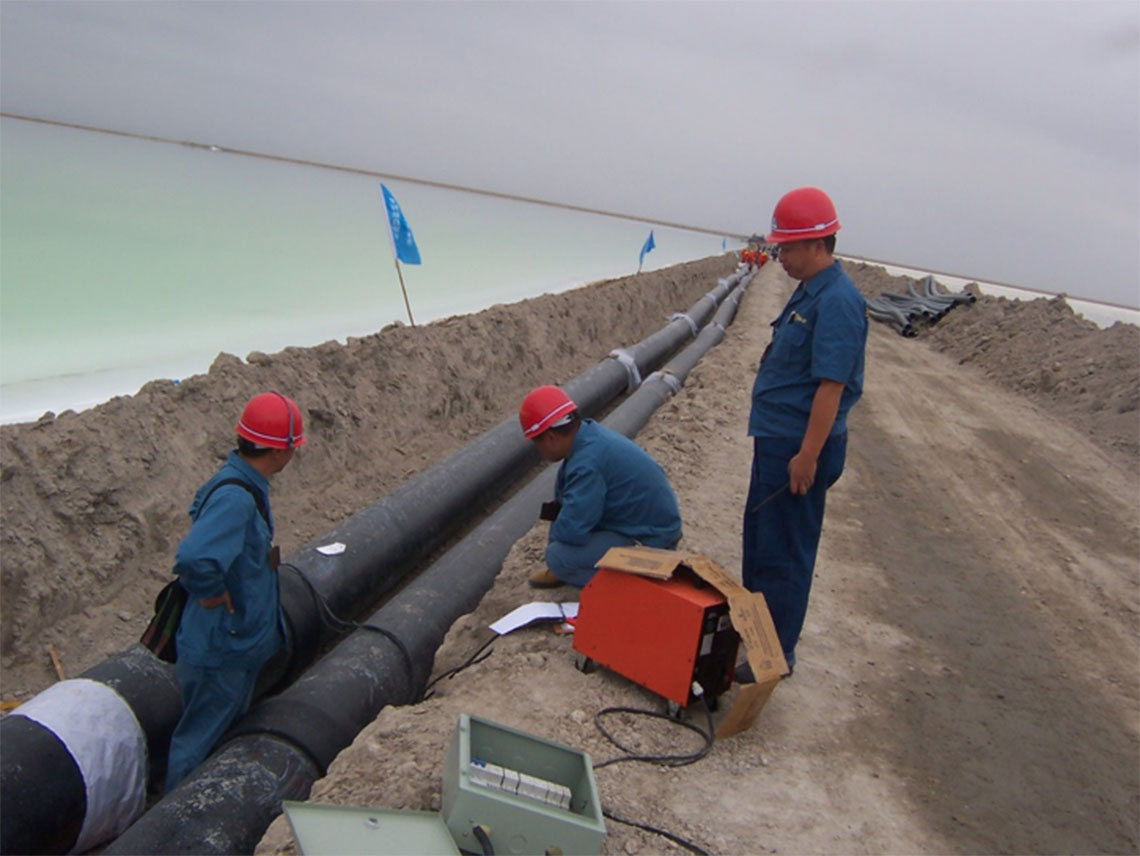
Pipeline Applications in Abrasive Service
Features
Performance depends on more than wear resistance alone. GXCG combines a wear-facing inner layer with suitable processing behavior, strong bonding to HDPE or PP, and compatibility with reinforced pipe construction.
Wear-Resistant Inner Surface
Repeated contact with abrasive solids is concentrated on the liner, helping protect the surrounding pipe wall during service.
Polyolefin Processing Compatibility
Suitable melt-flow characteristics allow GXCG material to be processed with conventional polyolefin extrusion equipment.
Bonded Layer Construction
Co-extrusion with HDPE or PP forms a bonded interface between the liner and the adjacent polymer layer.
Complementary Pipe Structure
Wear protection comes from the inner liner, while the reinforced HDPE body carries the structural demands of the pipeline.
How the Pipe Layers Work Together
Liner material forms the internal wear surface rather than carrying the pipeline load by itself. Polyethylene and reinforcement layers around it provide the structural properties required by the finished pipe.
Simpler constructions place the liner directly inside the polyethylene body. Steel wire reinforcement and bonding layers can be added where the pipe design requires greater mechanical strength.
Both arrangements are shown in the structure diagrams below.
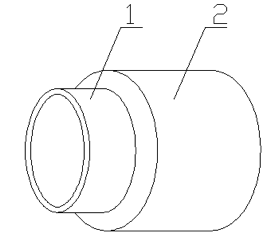
Abrasion Resistance Liner Pipe
1 — Abrasion Resistance Liner
2 — Polyethylene Pipe
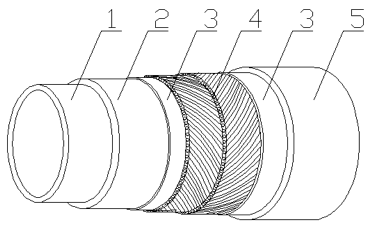
Steel Reinforced Abrasion Resistance Liner Pipe
1 — AR Liner
2 — Polyethylene
3 — Bonding Glue
4 — Steel Wire Reinforcement
5 — Polyethylene Jacket Layer